
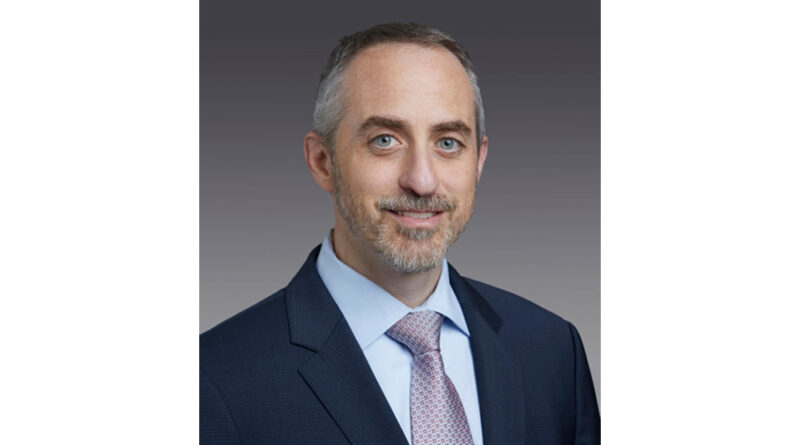
PressBox talked with Chesapeake Urology’s Dr. David M. Fenig about the process and reasoning behind a vasectomy reversal.
PressBox: What is a Vasectomy Reversal?
Dr. David M. Fenig: Vasectomy reversal is a microsurgical procedure to reconnect the vas deferens, which was cut previously during a vasectomy. The goal is to allow couples to have a natural conception rather than through artificial means. It is a procedure under general anesthesia to limit movement during the procedure. The vas deferens is about the size of a piece of uncooked spaghetti with a pinpoint hole, so it is a very delicate procedure. Therefore, Urologists who are fellowship trained in microsurgery are best able to perform this procedure. At Chesapeake Urology, Drs. Fenig, Mendez, and Sharma are qualified to perform this surgery.
PB: Why do men choose to reverse their vasectomy?
Dr. Fenig: Most men choose to have a vasectomy reversal due to remarriage or the desire to have a child with a new partner. Some couples also change their mind after a vasectomy and decide they want more children together. There are also some men who have regret about their vasectomy decision and wish to reverse it for personal or religious reasons.
PB: Can all vasectomies be reversed?
Dr. Fenig: All vasectomies can be reversed. The most common vasectomy reversal procedure is a straight vas-to-vas connection, which leads to the highest success rates. As men are farther out from their vasectomy, there is a higher likelihood of needing a more involved vasectomy reversal procedure to re-route the vas deferens to the epididymis, a crescent-shaped organ around the testicle where the sperm start swimming and are stored. This is determined based on findings at surgery. Your surgeon will discuss the two types of vasectomy reversal procedures with you. The good news is, I have performed both types of vasectomy reversal procedures on men over 30 years after their vasectomy who have achieved pregnancy.
PB: What are some of the risks involved with this procedure?
Dr. Fenig: There is a small risk of bleeding or infection. Patients typically recover as quickly as after a vasectomy. Pain medication is often not required postoperatively, and Tylenol and ibuprofen may be used. Be sure to discuss the success rates of the procedure with your surgeon since this is the most important outcome to be considered after the surgery.
PB: How can one prepare for a vasectomy reversal?
Dr. Fenig: Aside from routine clearance from your doctor for anesthesia, there is no special preparation for a vasectomy reversal. If you are taking aspirin and/or blood thinners, stop prior to surgery. For optimal wound healing, it is recommended to have a healthy lifestyle that includes no smoking. If you are diabetic, it is important that your blood sugar levels are well controlled.
PB: How soon can one resume sexual activity after a vasectomy reversal?
Dr. Fenig: Your surgeon will call or see you in the 2 weeks following the vasectomy reversal. Based on the healing and other factors, sexual activity is typically resumed 2-3 weeks after surgery. Do not engage in sexual activity until cleared by your surgeon.
PB: How can men reach out to Chesapeake Urology?
Dr. Fenig: Our website chesapeakeurology.com is available, and you can also call our toll-free number, 855-428-3222, to schedule an appointment Drs. Mendez, Sharma, or I. We practice in Chesapeake Urology’s Columbia, Holy Cross Germantown, and Silver Spring locations.
About Dr. David M. Fenig
Dr. Fenig is fellowship-trained in male infertility and sexual dysfunction. He specializes in infertility-related surgeries including vasectomy, microsurgical vasectomy reversal, microsurgical varicocele repair, and sperm retrieval for IVF including microdissection testicular sperm extraction.
Dr. Fenig serves as a male fertility consultant to Baltimore/DC IVF centers. Dr. Fenig also treats numerous male sexual health issues including erectile dysfunction, male hypogonadism (low testosterone), and Peyronie’s disease.
Dr. Fenig serves as Director of Male Fertility, Microsurgery, and Sexuality at Chesapeake Urology Associates. He is a member of the American Urological Association, the American Society of Reproductive Medicine, and The Sexual Medicine Society of North America. Dr. Fenig has co-authored numerous publications in peer-reviewed journals and has presented at national urology and sexual medicine conferences. He has also authored book chapters on male infertility and urologic surgery.