
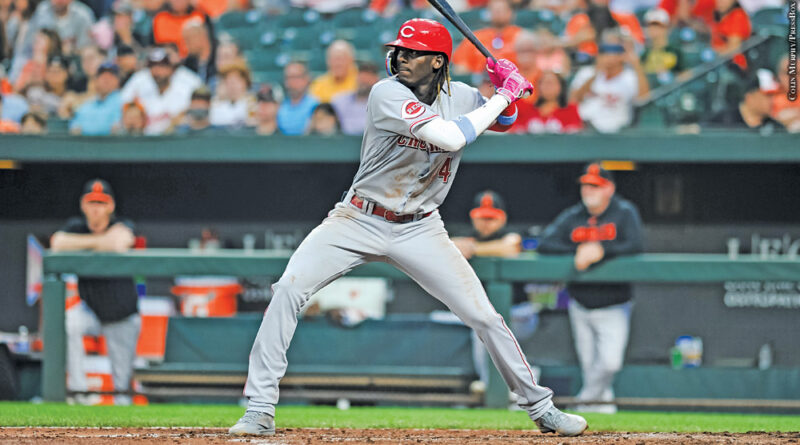
Fantasy football has ruined fantasy baseball. It’s just a fact. That doesn’t mean it’s a bad thing, but it just means that the “win now” mentality has infiltrated fantasy baseball. Fantasy managers want their players to perform immediately and forget that this is a six-month marathon. Here are a couple of helpful tips to navigate the long fantasy baseball season.
Waiver-Wire Strategy
In the fantasy baseball draft guide, I pointed out that saves represent a category that we target on the waiver wire. Injuries and ineffectiveness will always occur and fantasy managers need to react. We don’t need to win the saves category, but we will never punt it. If it means picking up a closer for a two-week stretch to help our team, we do it. In some cases, the pitcher may hold on to the job for the remainder of the year.
I can’t stress this enough. This is one category we have to pay attention to throughout the season, as it can make a huge difference in the standings by the end of the year.
Another avenue to exploit on the waiver wire is targeting prospects when they get promoted. Top prospects are more prepared than ever and can impact a fantasy team immediately. Of course there will be struggles, but if they are being promoted, it’s because they will play every day and they have a skill set that will help fantasy managers. Don’t be afraid to add rookies to your roster throughout the season.
During the draft season, we try not to draft one-category players, but that mindset changes throughout the year. After a couple of months, fantasy managers know where they are weak and where they are strong. We may target a player just for steals or just for power. It’s a delicate balance insomuch that we don’t want to suffer in other categories as a result, but we’re willing to take on the risk during the season.
Dealing With Struggling Players
I try not to put much stock in April stats. We always want our players to succeed, but there are too many other factors that can prevent that. The weather is often terrible, meaning teams have to play in either the cold or rain. Early April also features multiple off days and random start times. The reality is major league players love a routine, and they don’t get that early in the season.
With that said, the excuses are gone once we creep closer to May. I always have Memorial Day as the benchmark of when to really decide if it’s time to move on from a player. I’m a big believer in track records. If a veteran player has succeeded throughout his career, it will eventually happen. However, we can’t just hope that it will turn around as we see our team fall in the standings.
If a player is really struggling by the end of May, it’s time to move on. We can’t worry about when the player was drafted or what they did in the past. The early-season excuses are gone. A six-month marathon quickly turns into a four-month sprint.
Trades
I’m not big into trading since I don’t think it ever ends well. However, many people like doing it, so I would say if you are trading with another team, there is one question you should be asking: Are you getting a player who will help you in a category that you are weak in without sacrificing too much in a category you are strong in?
If you are near the bottom of the standings in home runs but high in batting average, I would target only teams in your league that are high in home runs but low in batting average. This is as close as you can get to a win-win scenario. Fantasy managers can be blinded by what they need in the sense that they sacrifice too much of what they have and it hurts them in the end.
Photo Credit: Colin Murphy/PressBox